

Menu

The list of officially approved Italian wine-producing areas (denominations and geographic indications) and the rules of production for those areas is in a constant state of flux. Many changes don’t have a noticeable effect on the end product or are for relatively obscure wines, but some affect key exported wines in ways that could be important to consumers and/or salespeople. The first section below lists some of the more significant changes that have been approved over the last couple of years. The second section lists proposals for wine law changes that would be of general interest in the wine world.
This section catalogs some of the more significant changes to Italian wine laws (from a consumer’s or wine sales professional’s point of view) passed in the last couple of years. These have all been through the entire process and published as law.
 joining Colline Teramane Montepulciano d’Abruzzo and Tullum. With about 35 hectares of vineyards declared and production of 20,000–25,000 cases, Casauria DOCG falls between the other two DOCGs in size. Like Colline Teramane and the larger DOC, Casauria is devoted entirely to Montepulciano-based red wines.
 much changed about the existing Cirò DOC, which continues to produce red, rosato, and white wines but will no longer have a Classico subzone. The DOCG is strictly for a more powerful version of the red wines of the DOC, with a higher minimum proportion of Gaglioppo (90% vs. 80%), longer aging (3 years minimum vs. 2 years for the DOC’s Riserva), and of course grown entirely within the Classico subzone comprising the communes of Cirò and/or Cirò Marina.
 Canelli subzone of Asti DOCG was elevated to DOCG status in 2023, becoming Italy’s 77th and Piedmont’s 19th DOCG. Canelli DOCG produces only frizzante Moscato d’Asti–style wine, using 100% Moscato Bianco grapes. There is also a Riserva version with at least 30 months of aging.
 Name change: Pignoletto DOC to Emilia-Romagna DOC. The denomination spun off from Colli Bolognesi DOC for wines based on Grechetto—known for a decade as Pignoletto DOC after the local name for Grechetto—was changed to Emilia-Romagna DOC in 2023 to quell EU objections to the use of Pignoletto as a denomination name (thereby preventing its use as a grape variety name). Though it sounds like a region-wide denomination for all sorts of wines, it is actually a medium-size DOC only for varietal Grechetto wines (still, sparkling, and dessert styles).
 There was already quite a bit of rosato production in Chianti that was classified as IGP Toscana. Much of this will now be eligible for DOCG status, with production possibly exceeding 800,000 cases annually.
 better distinguish those wines from the Riserva level and capture more attention from sommeliers and consumers. Eight mostly commune-based unitá geografiche aggiuntive (UGAs) are now permitted for use on GS labels if at least 85% of the wine comes from that part of the Chianti Classico denomination; a further three will be added as of 2027. More interestingly, beginning with the 2027 vintage, GS wines will require a minimum Sangiovese content of 90% (as opposed to the current 80%) and will forbid the inclusion of international grape varieties in the blend
 Vino Nobile di Montepulciano DOCG has introduced a new “Pieve” quality designation above Riserva level as its flagship category. The denomination has been divided into 12 districts called pievi. Wines that carry a pieve name on the label must have a minimum of 85% Sangiovese (vs. 70% for lower-level wines), with the possibility of four other traditional grape varieties blended in, all grown in estate-controlled vineyards within the pieve.The four region-level denominations in Abruzzo—Abruzzo DOC, Cerasuolo d’Abruzzo DOC, Montepulciano d’Abruzzo DOC, and Trebbiano d’Abruzzo DOC—have each added subzones, basically breaking out Abruzzo’s four provinces individually. The subzone designations are available only for wines at the Superiore and Riserva levels. Numerous other changes were introduced at the same time, generally intended to nudge quality levels higher.
This section lists a few of the noteworthy proposals for wine law changes that, if passed, would be likely to affect key exported wines in ways that would be important to consumers and/or salespeople. These range from well-founded rumors to proposals just on the verge of official acceptance, but they are not the current state of affairs (and may never be). Depending on the type of proposal, the approval process can take a very long time. This page will be updated as new information becomes available.
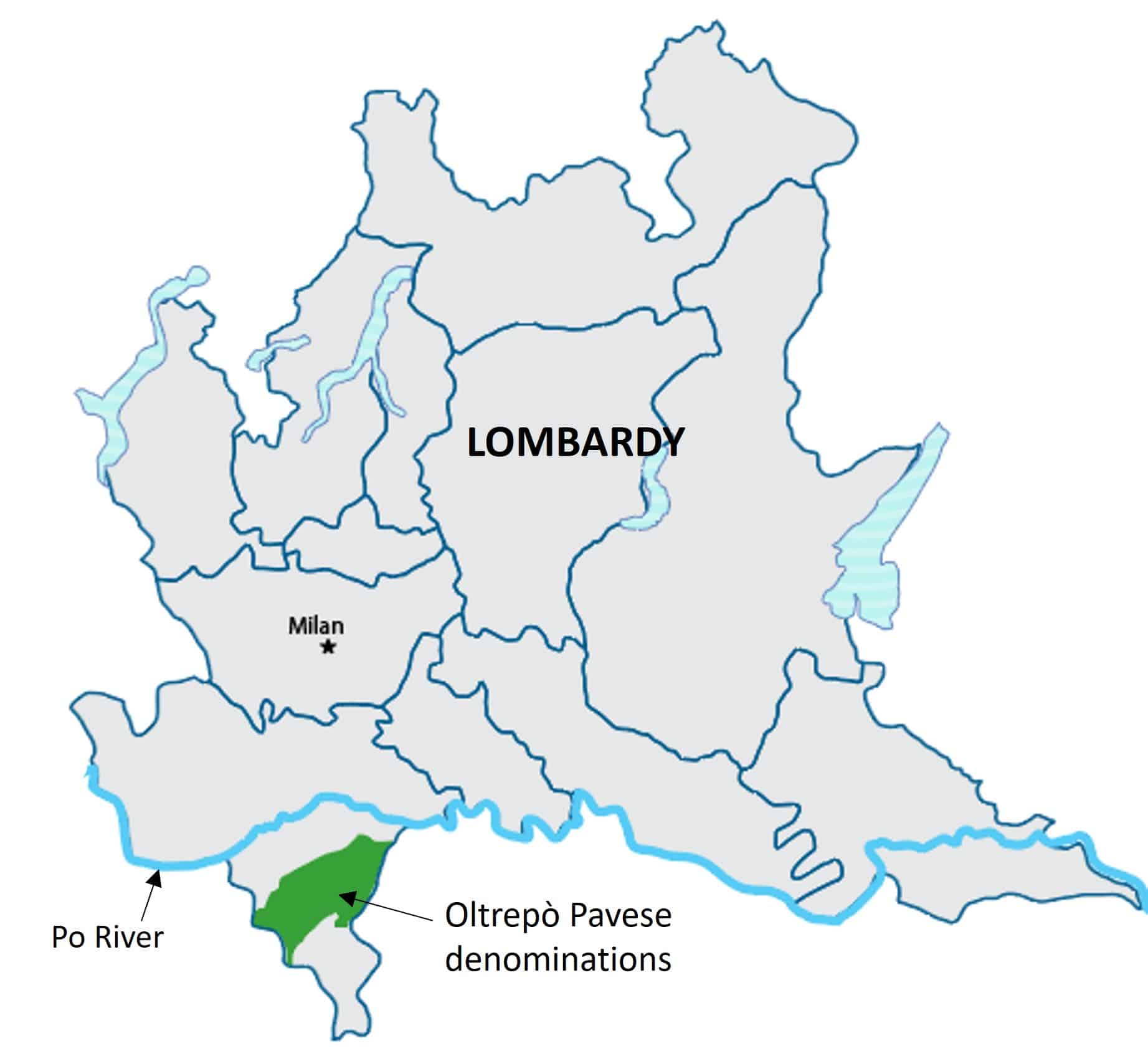 However, for various reasons, few producers have put much emphasis on that denomination, and it has little traction in the export market. But now, years of discussion have resolved many of the issues, and a new version of the DOCG is up for approval (likely sometime in 2026) with strong support from many members of the GSnew-and-improved denomination will go for brevity over geography in adopting the name Classese (klah-SAY-zay), a mashup of (metodo) classico and (Oltrepò) Pavese. The standards will reportedly be tightened to require a minimum of 85% Pinot Nero, whether vinified as white or rosé wine. Aging time on the lees will be lengthened to at least 3 years before disgorgement, or 4 years for riserva level. And the denomination will be divided into subareas whose names can appear on the label.
 its name from Verdicchio dei Castelli di Jesi Riserva in 2011, Castelli di Jesi Verdicchio Riserva DOCG now plans to remove Verdicchio from the name entirely, becoming just Castelli di Jesi DOCG. It will remain a Verdicchio-based wine, but the intent is to put the focus on the place and not on the grape variety (and perhaps to fit better on wine lists). The far smaller Verdicchio di Matelica DOC has also expressed an intent to do the same, becoming just Matelica DOC.
Thank you for this amazing resource. To have a concise list of changes and proposed changes to Italian wine is fantastic.
Glad you find it useful!